



.png)
How to Protect Yourself from Stolen Checks
Check fraud is becoming more and more sophisticated, and criminals are always finding new ways to turn stolen mail into stolen money. What may seem like a simple missing check can quickly become a much larger problem, putting your personal information and financial assets at risk.
Understanding how check fraud works, recognizing potential warning signs, and taking a preventive steps can help you stay one step ahead of scammers.
How Does Check Fraud Happen?
Check fraud isn't always as simple as someone stealing a check and attempting to cash it. Criminals can use stolen checks to access sensitive financial information, create counterfeit checks, or make unauthorized transactions.
Some common methods include:
-
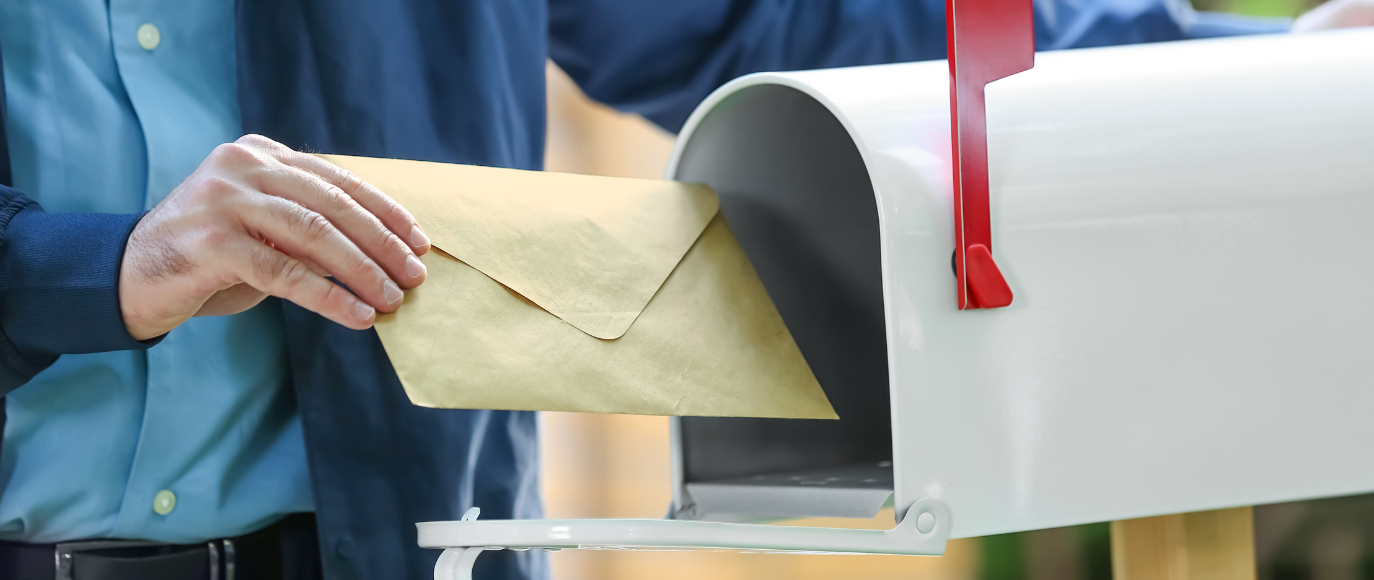
Mail theft: Criminals steal checks from mailboxes or postal collection boxes, sometimes targeting outgoing bill payments or incoming checks.
-
Check washing: Using chemicals or other methods, fraudsters remove information from legitimate checks and replace it with a different payee or dollar amount.
-
Counterfeit checks: Stolen account and routing numbers can be used to create fraudulent checks that appear to come from a legitimate account.
-
Identity theft: Personal information obtained through stolen mail may be used to impersonate victims or commit additional financial crimes.
Even a check that appears completely normal could be fraudulent. That's why it's important to monitor your account activity and take precautions whenever you send or receive checks.
Protect Yourself from Check Fraud
While criminals are continuing to develop new tactics, there are simple steps you can take to reduce your risk of becoming a victim of fraud.
1. Be mindful of how you mail checks.
Avoid leaving checks in your personal mailbox with the flag raised. Instead, bring outgoing checks directly inside your local post office. Collect incoming mail as soon as possible, especially if you're expecting a check or other sensitive financial documents.
2. Keep a close eye on your accounts.
Regularly review your transactions through online or mobile banking. Look for unfamiliar withdrawals, unexpected check amounts or duplicate check numbers. Setting up account alerts can also help you identify suspicious activity before it goes unnoticed for too long.
3. Consider safer payment alternatives.
Whenever possible, use secure electronic payment methods, such as online bill pay or electronic transfers, instead of mailing paper checks. Reducing the number of checks you send can help limit opportunities for mail theft.
4. Take extra precautions when writing checks.
If you need to write a check, use permanent black gel ink, completely fill in the payee and amount fields, and avoid leaving unnecessary blank spaces. These precautions can make it more difficult for criminals to alter your check.
5. Pay attention to missing mail.
Were you expecting a check that never arrived? Did a payment you mailed weeks ago never reach its destination? Don't assume it's simply a delivery delay. Contact the sender or intended recipient to investigate and determine whether your financial information could be at risk.
6. Be cautious of unexpected requests involving checks.
Be suspicious if someone asks you to deposit a check and immediately send part of the money elsewhere. Fraudsters sometimes recruit unsuspecting individuals to move stolen funds through legitimate financial accounts. Never accept or transfer money on behalf of someone you don't know or trust.
These precautions align with recommendations from the U.S. Postal Inspection Service and Consumer Financial Protection Bureau.
What Should You Do if You Suspect Check Fraud?
If you notice an unauthorized check transaction or believe a check has been stolen, acting quickly can help prevent further financial losses.
Contact your financial institution immediately to report the situation. Depending on the circumstances, you may need to place a stop payment on a missing check, dispute an unauthorized transaction, or take additional steps to secure your account. If you suspect your mail has been stolen, report the incident to the U.S. Postal Inspection Service at +1 (877) 876-2455 or through their online reporting center.
After reporting the incident, continue monitoring your financial accounts closely and consider contacting local law enforcement if your personal information or money has been stolen.Stay Alert. Stay Protected.
Protecting your finances starts with awareness. Whether you're mailing a check, paying bills online, or reviewing your monthly statement, developing safe financial habits can make a meaningful difference.
At Cornerstone, we're committed to helping our members recognize fraud and protect their assets. If you notice suspicious activity on your account or believe your financial information has been compromised, contact our team immediately at (800) 777-6728. We're here to help you take steps to ensure that your money is secure.

