



.png)
Fraud Alert: The Email Check Scam You Should Know About
Not every scam starts with a threat. Some start with what looks like good news - an unexpected check, a refund, or a payment landing in your inbox out of nowhere.
That's exactly what makes the email check scam so effective: it doesn't scare you into acting, it excites you into it.
How the Email Check Scam Works
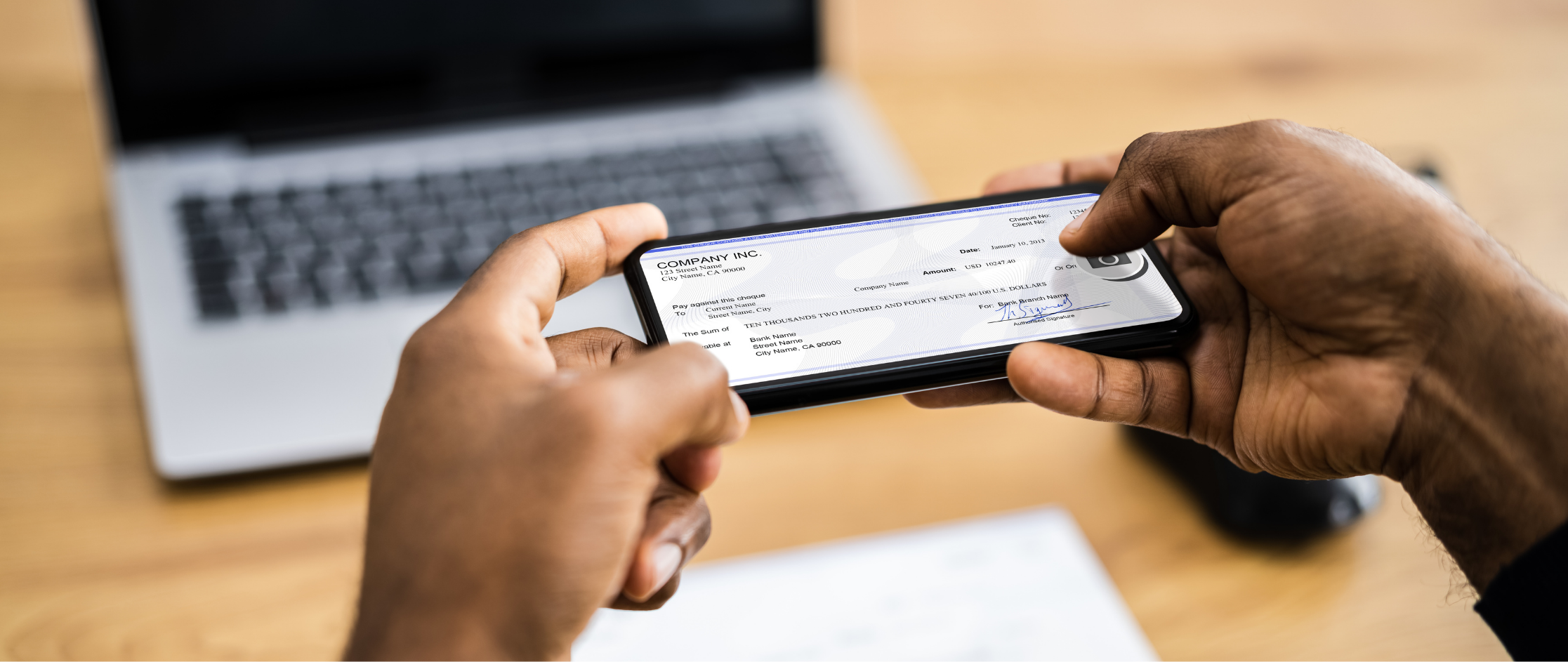
The scam usually starts with an email claiming you're owed money. It might say you've received a refund, an overpayment, a prize, or payment for an item you sold online. Attached is a check - either a digital image or a PDF you're told to print and deposit.
From there, the scammer asks you to do one of a few things:
- Deposit the check and wire part of the funds back to "cover fees" or a difference in amount
- Use the funds to purchase gift cards and send the codes
- Forward a portion of the money to a third party on the scammer's behalf
The check clears at first, financial institutions often make funds available within a day or two, so it feels safe to act. But days later, the check bounces because it was fake. By then, any money you sent out is gone, and you're on the hook for the full amount of the bad check.
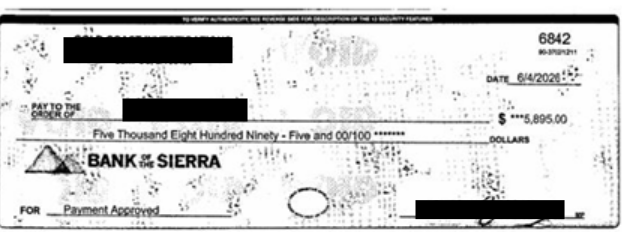
A scam check sent to a Cornerstone member, intercepted by our expert fraud team:
Why This Scam Is So Convincing
This scam works because it flips the usual script. Instead of asking you for money, it appears to give you money first, which lowers your guard.
It also uses time pressure disguised as helpfulness - you're told to act quickly to "release the funds" or avoid a delay, when in reality that urgency is designed to get you moving before the check has time to bounce.
The Rule to Remember
Any unexpected funds - especially if they arrive via email - should be treated with caution. Legitimate refunds, payments, and prizes don't typically show up as a surprise check attached to an unsolicited email. If you weren't expecting money from a specific, verified source, slow down before you deposit anything or act on instructions that came with it.
Warning Signs of a Fake Check Scam
- An email you weren't expecting, claiming you're owed money
- A check attached as an image or PDF rather than sent by mail from a known source
- Instructions to wire money, buy gift cards, or send funds to someone else
- Pressure to act quickly before the check "expires" or the offer "closes"
- Poor grammar, mismatched sender addresses, or generic greetings like "Dear Customer"
What To Do If You Receive a Suspicious Check by Email
- Don't deposit the check. Even if it appears in your account balance, funds from a fraudulent check can be reversed after the bank discovers it's fake.
- Don't send money back, whether by wire, gift card, or any other method, in response to an unexpected check.
- Verify independently. If the email claims to be from a company, refund program, or person you know, contact them directly using a phone number or website you already trust - not the contact information in the email.
- Reach out before you act. A trusted family member, your credit union or bank, or your local police non-emergency line can help you sort out whether something is legitimate.
- Report it. Forward suspicious emails to your bank's fraud department and consider reporting them to the Federal Trade Commission at ReportFraud.ftc.gov.
The Bottom Line
A check showing up in your inbox might feel like a stroke of luck, but it's one of the more common ways scammers gain your trust. When money arrives unexpectedly, pause before you act.
Verify who sent it and why, and remember that a bank making funds available doesn't mean a check is real. Taking a few extra minutes to check with someone you trust can save you from a costly mistake.

