



.png)
Beware of Ransomware
When people hear “ransomware,” they often think of big companies or hospitals being hacked. But ransomware fraud affects everyday people just as often, and the financial impact can be just as serious.
From drained accounts to identity theft, a ransomware attack can quickly turn into a personal finance nightmare if you’re not prepared.
Here are some examples of ways ransomware can gain access to your device:
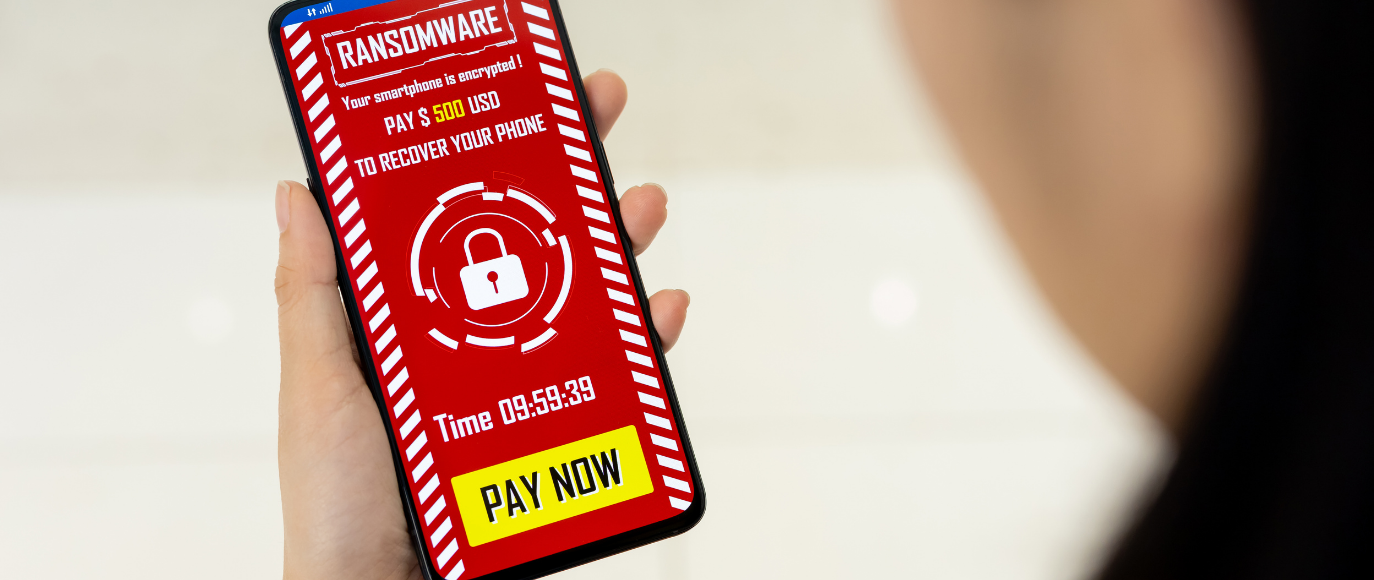
A pop-up appears on your screen saying: “Your computer is infected! Call Microsoft Support immediately.” You call the number. The “support agent” installs ransomware while pretending to fix your device. Then they lock your system and demand payment.
OR
You get an email or text that looks like it’s from Amazon, UPS, or FedEx saying there’s a problem with a delivery. You click the attachment to “view details.” The file installs ransomware on your laptop. Suddenly you can’t access your files, and a message pops up demanding payment to unlock them.
Smart Ways to Protect Your Finances
You don’t need advanced tech skills, just a few good digital habits:
Pause before you click.
If a message feels urgent or scary, that’s a red flag. Scammers rely on panic.
Back up your important files.
If your device is locked, backups mean you don’t have to pay to get your life back.
Protect your accounts.
Use strong passwords and turn on multi-factor authentication for email, banking, and shopping accounts. And only shop from reputable places online.
Keep your devices updated.
Updates fix security gaps hackers look for.
If Ransomware Hits You
Stay calm and act fast:
- DO NOT pay the ransom.
- Take a picture/screenshot of the ransomware message you received to share it with the proper authorities.
- Take your device to a trusted technician to have it professionally digitally cleaned.
- Invest in antivirus software to prevent and detect possible future attacks.
- Reach out to your financial institution or credit card servicer to let them know your information has been compromised.

