



.png)
3 Practical Ways to Keep Your Money Safe
Protecting your finances doesn't require a security expert or expensive software. Most financial theft happens through simple, preventable oversights like an unprotected card in your pocket, a bank statement sitting in your mailbox, or a pile of old documents waiting for recycling day.
The good news? A few low-cost habits can dramatically reduce your exposure.
Use an RFID-Blocking Wallet to Stop Electronic Pickpocketing
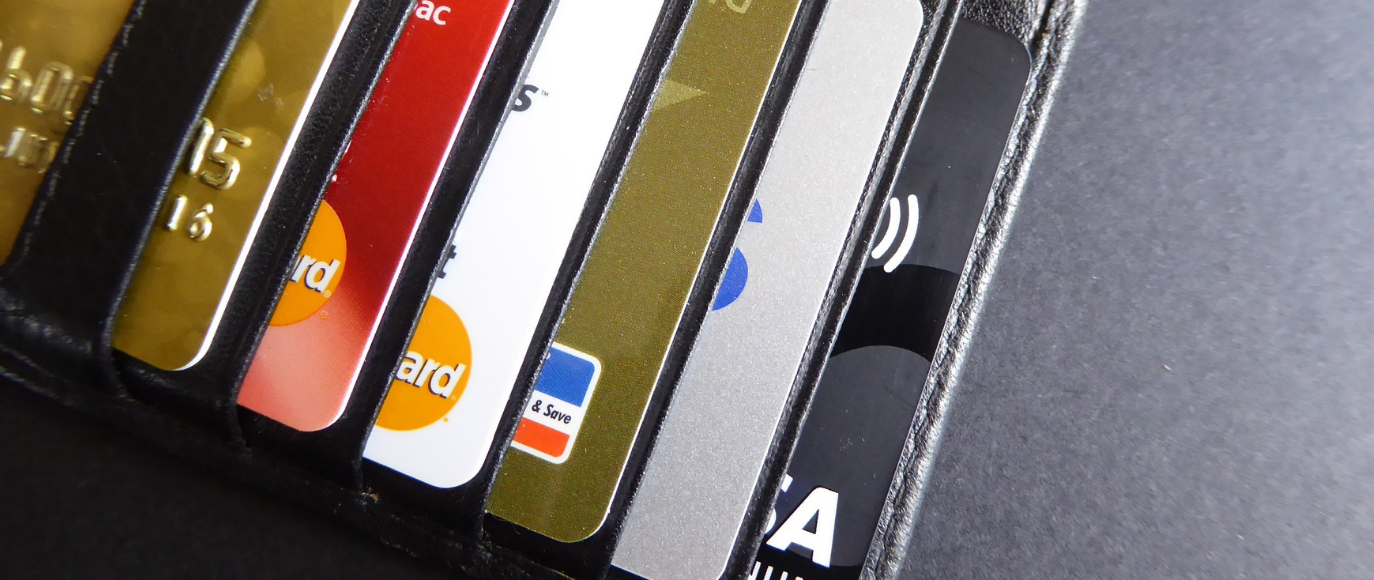
Most modern credit and debit cards contain an embedded RFID (Radio Frequency Identification) chip that allows for contactless, tap-to-pay transactions. While incredibly convenient, this technology has a significant vulnerability: thieves can use inexpensive RFID scanners to steal your card information without ever touching your wallet. All it takes is a criminal walking within a few inches of you in a crowd — a subway, a mall, a busy coffee shop.
An RFID-blocking wallet contains a layer of material (usually carbon fiber or metallic mesh) that creates a Faraday cage around your cards, jamming the radio signals and making your card data completely unreadable to outside scanners. They're widely available at all price points, from slim cardholders under $15 to premium leather bifolds.
Look for wallets that specify 13.56 MHz blocking, which is the frequency used by most modern credit cards and passports. This is one of the simplest and most affordable upgrades you can make to your everyday financial security.
- Protects contactless credit, debit, and prepaid cards
- Shields passport RFID chips when traveling
- Available in slim, bifold, and phone wallet styles
Switch to eStatements to Eliminate Mail Theft Risk
Your mailbox is one of the most overlooked vulnerabilities in personal finance. A physical account statement sitting in an unsecured mailbox contains your full account number, your home address, your balance, and a detailed transaction history. That's everything a thief needs.
Signing up for eStatements eliminates this risk entirely. Instead of paper statements mailed to your home, you receive a secure email notification and view your statements online through mobile or online banking. The document never passes through a physical mailbox.
Beyond security, eStatements offer practical advantages: instant access as soon as they're ready, easier searchability, and no paper clutter.
- Eliminates account data traveling through physical mail
- Statements are stored in an encrypted, password-protected portal
- Instant access - no waiting for the mail cycle
- Reduces paper clutter and document shredding burden over time
Shred Financial Documents; Don't Just Recycle Them
Dumpster diving isn't just for raccoons. Identity thieves routinely go through curbside recycling bins looking for bank statements, medical bills, pay stubs, pre-approved credit card offers, and tax documents - anything with an account number, Social Security number, or date of birth. A single discarded document can give a criminal enough information to open a fraudulent account in your name.
The solution is straightforward: shred anything with sensitive financial information before disposing of it. A cross-cut or micro-cut shredder (not a strip-cut shredder) renders documents unreadable and is a worthwhile investment for any household.
Documents to shred include: bank and credit card statements, utility bills, medical bills and insurance documents, old tax returns (after the recommended retention period), pre-approved credit offers, canceled checks, and pay stubs.

